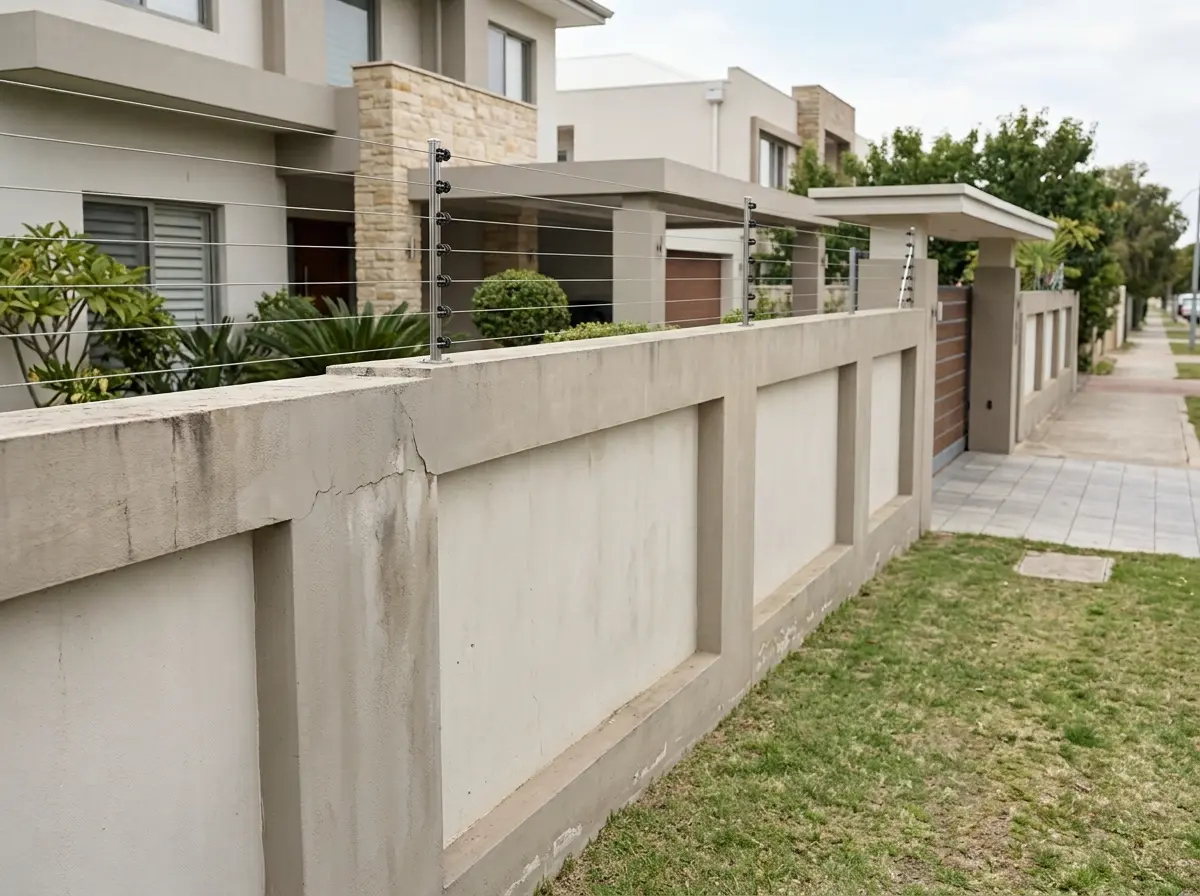
Electric Fencing for Perimeter Security
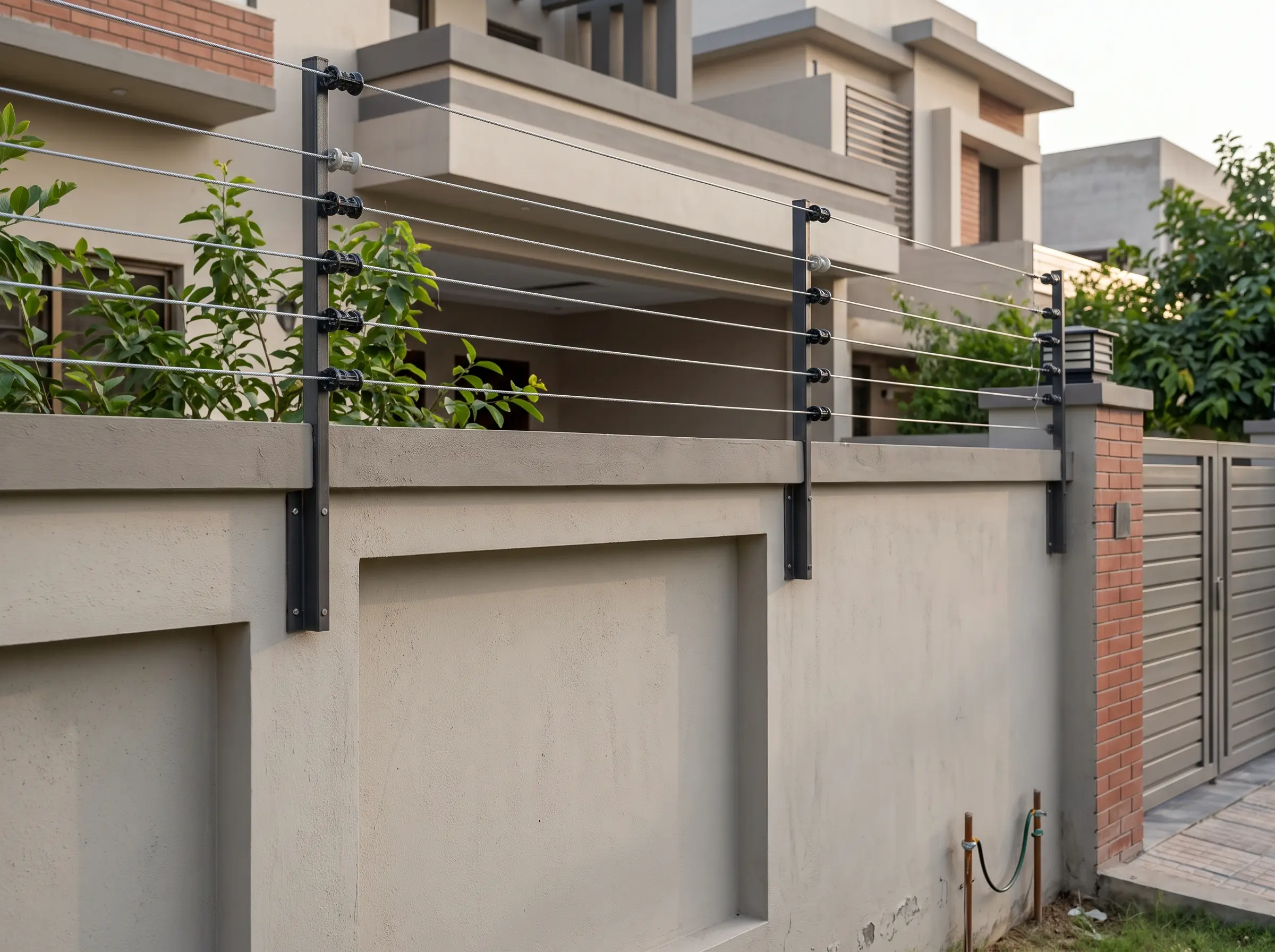
Electric fencing may form part of a property’s perimeter-security strategy by helping define and protect boundary areas. Suitability depends on the existing boundary, site layout, access points, surrounding environment, and the security measures already in place.
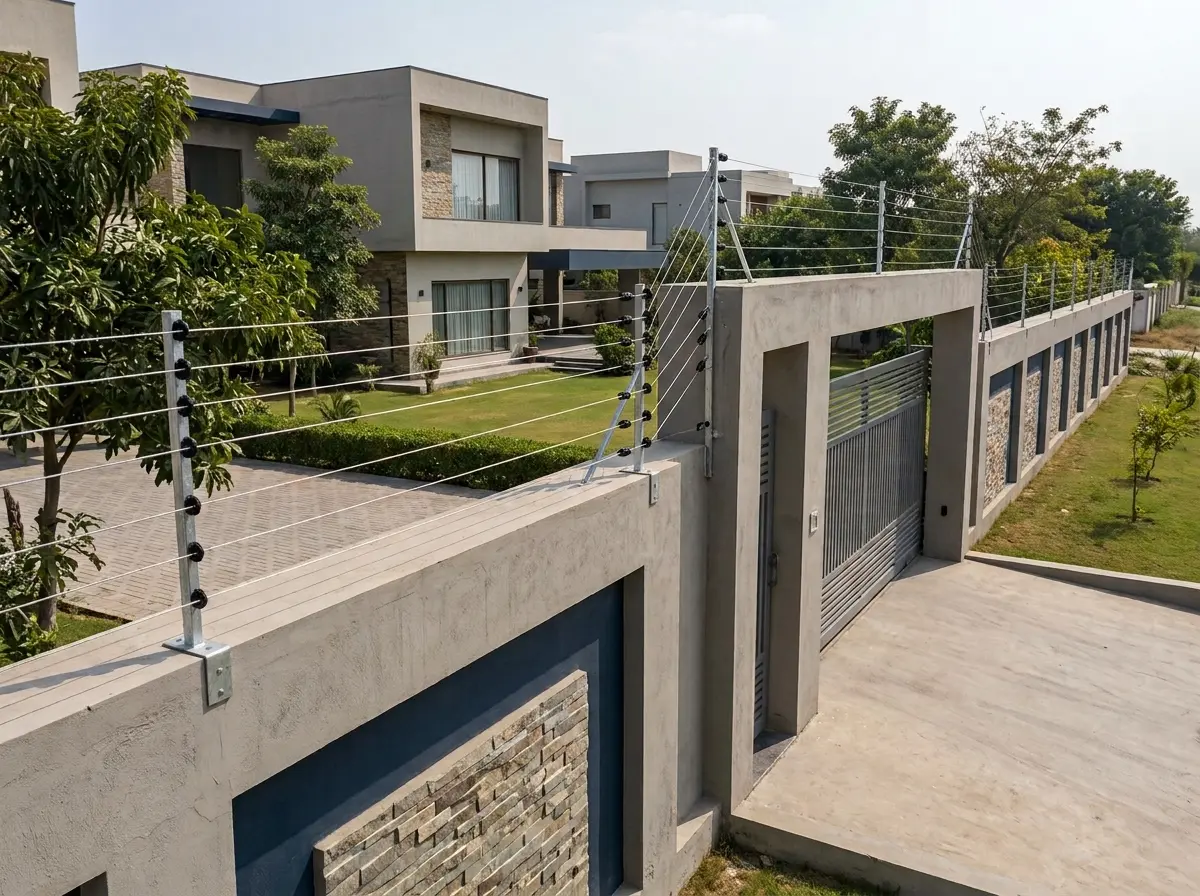
What Shapes a Perimeter Security Plan
Several elements influence how a perimeter-security solution is planned for a property.
Boundary Structure
Existing walls, fences, and changes in boundary construction affect planning.
Access Points
Vehicle gates, pedestrian entrances, service entrances, and other openings.
Site Layout
Corners, long boundary sections, uneven terrain, and areas requiring special assessment.
Security Integration
Existing CCTV, lighting, alarms, or access-control arrangements, where relevant.
Ongoing Upkeep
Inspection, vegetation management, fault reporting, and maintenance access.
How Electric Fencing Supports Perimeter Security
Perimeter security focuses on the property’s outer boundary and access points. Electric fencing can be one component of a wider perimeter-security approach, alongside existing structures and other measures.
Its role depends on the site and how it is configured. Typical contributions include:
- Defining the perimeter boundary
- Being added to a suitable existing wall or fence
- Addressing boundary sections with different structures
- Including access points as part of the overall plan
- Supporting a broader security arrangement where appropriate
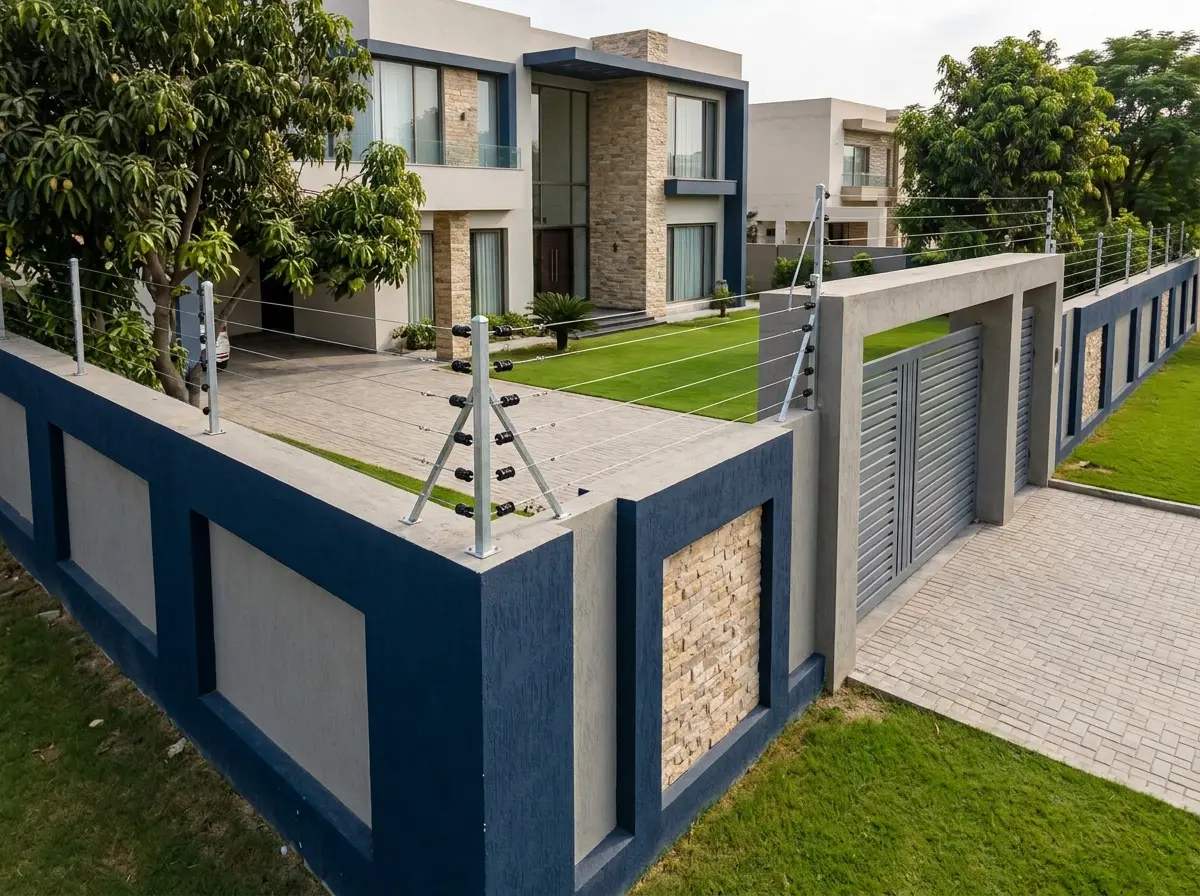
Where Perimeter Electric Fencing Is Used
Perimeter-security planning may apply to different property types. Each has its own access, boundary, and operational considerations.
Residential Properties
Boundary walls, gates, and residential access arrangements.
Commercial Properties
Business premises, customer and staff access, and parking areas.
Warehouses & Storage
Loading areas, truck access, yards, and storage compounds.
Industrial Properties
Manufacturing facilities, industrial yards, and complex operational sites.
Agricultural Properties
Farm perimeters, larger boundaries, and rural access conditions.
Educational Properties
School campuses, student and staff movement, and public access.
Existing Boundaries, Gates & Site Conditions
The physical boundary, access points, and site conditions all affect how a perimeter-security solution is planned. Each section may need individual assessment.
Masonry Boundary Walls
Wall condition, height, and structure are reviewed for suitability.
Metal Perimeter Fences
Fence configuration, support structure, and condition affect planning.
Mixed Wall-and-Fence Boundaries
Different structures along the same perimeter may require different approaches.
Long or Irregular Boundaries
Longer runs and irregular shapes may require additional planning.
Corners & Direction Changes
Each corner and change in direction affects the configuration.
Damaged or Unsuitable Sections
Areas that may require repair or a different approach are identified during assessment.
Perimeter Access Points
Entrances and openings must be included in the overall perimeter plan. A perimeter-security solution involves more than selecting a fence — it requires consideration of the whole boundary and how people and vehicles enter or leave the property.
System Configuration & Security Integration
A perimeter electric fence system is a configuration of interconnected components. The final configuration depends on the site and the selected system.
Where compatible and required, electric fencing may be considered alongside other security measures such as CCTV, security lighting, access control, and alarm systems. Compatibility and integration requirements must be confirmed for the actual project.
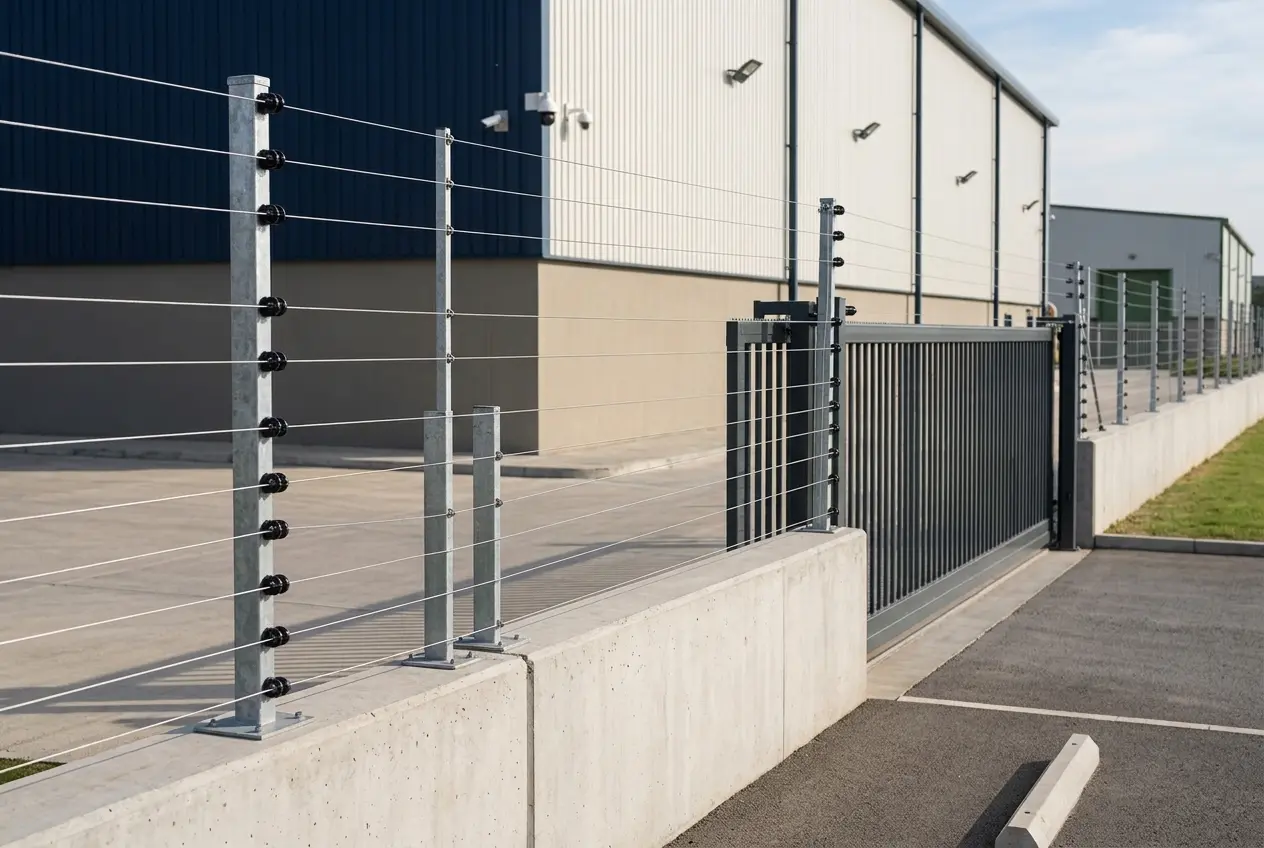
Safety & Responsible Perimeter Planning
Safety should be considered alongside security. Perimeter planning should account for the people who interact with the property and the environment around the boundary.
- Professional installation and inspection
- Suitable warning signage
- Consideration of the surrounding environment and neighboring access
- Pedestrian and vehicle movement
- Maintenance access
- Prompt attention to damage or faults
- Appropriate consideration of children, visitors, workers, and members of the public
When Might Electric Fencing Not Be Suitable?
Not every property is suitable for electric fencing. A professional assessment helps determine whether electric fencing is appropriate or whether alternatives should be considered.
- Unsuitable or damaged boundary structures
- Complex public-access conditions
- Boundaries close to areas with significant pedestrian activity
- Site conditions that make the proposed configuration impractical
- Projects where another security measure may be more appropriate
New Installation, Repair & Maintenance
Different situations lead to different services. Here's how to find the right one.
New Installation
No existing electric fence is present on the property, or a new perimeter-security arrangement is being planned.
Explore InstallationMaintenance
The system requires routine inspection, preventive care, or an assessment after property changes.
Explore MaintenanceWhat Affects Perimeter Electric Fence Cost?
Perimeter electric fence costs depend on total perimeter length, existing wall or fence condition, number and type of access points, boundary shape and terrain, supporting structures and required components, and site accessibility.
Other factors include the selected system configuration, monitoring or integration requirements where applicable, installation complexity, and maintenance needs. A site assessment provides the basis for a project-specific estimate.
Perimeter Electric Fencing — FAQs
Assess Your Property's Perimeter Security
Every property has a different boundary layout, access arrangement, and set of security requirements. A professional assessment helps determine the appropriate approach rather than assuming a single solution fits every site.