
Electric Fence
Maintenance Guide:
Inspection, Care &
Troubleshooting
An electric fence needs appropriate inspection and maintenance to help it operate as intended. Weather, vegetation, damaged components, loose or deteriorated fittings, and other site conditions can affect performance over time. This guide covers what to look for, how to recognize warning signs, how to organize maintenance, and when to seek professional help.
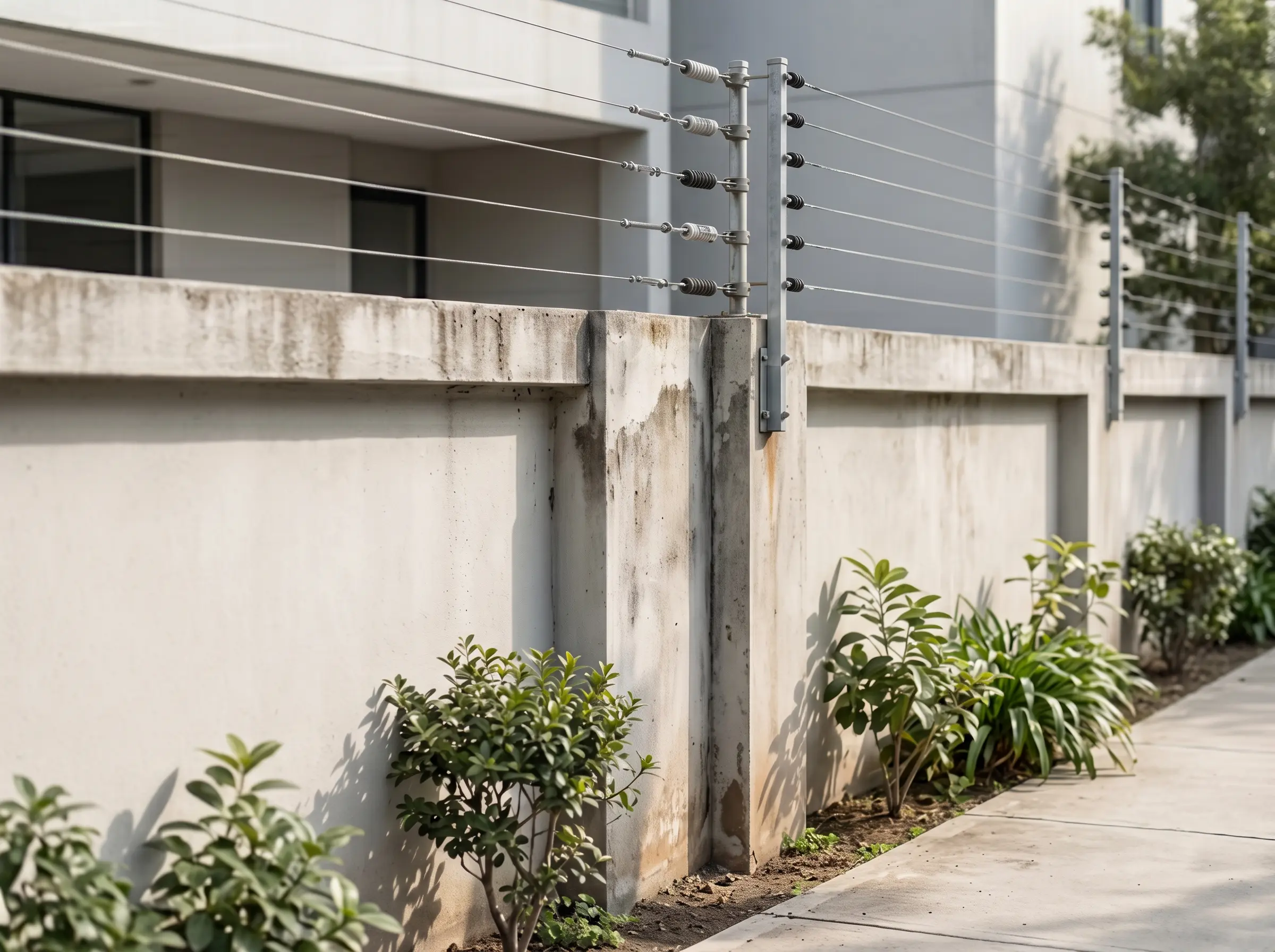
What Is Electric Fence Maintenance?
Maintenance involves regularly checking the condition of the fence and its surroundings, identifying visible deterioration, confirming that appropriate professional performance checks are completed, and addressing faults before they develop into larger problems.
Visual Inspection
Look for visible damage and changes to the fence.
Vegetation & Surroundings
Identify growth or obstructions affecting the boundary.
Component Condition
Observe signs of wear, deterioration, or displaced parts.
System Performance
Have qualified personnel perform appropriate operational checks.
Maintenance Records
Keep a record of observations, faults, and completed work.
Safety Precautions Before Inspecting an Electric Fence
Electric fences contain electrical equipment and can cause shock. The following precautions should be observed before any inspection or maintenance activity.
Never touch an energized conductor to check whether it is operating.
Do not open an energizer or electrical enclosure.
Do not attempt electrical repairs without appropriate qualifications.
Keep children, visitors, and unauthorized personnel away from suspected damaged areas.
Do not approach fallen conductors, exposed wiring, or damaged electrical equipment.
Do not assume that a fence is de-energized because it appears inactive.
Follow the equipment manufacturer's instructions and applicable safety requirements.
Arrange qualified assistance for electrical testing, isolation, and technical work.
Routine Electric Fence Inspection Checklist
A scannable checklist organized into inspection categories. Items are marked either as safe visual observation or as work that should be referred to a qualified professional. The checklist markers are for visual guidance only and are not interactive.
A. Fence Boundary and Surroundings
- Check visually for fallen branches or other obstructions.
- Observe vegetation growing close to the fence.
- Look for changes to nearby walls, posts, or structures.
- Identify damage following storms or nearby construction activity.
- Note areas where people or animals may have gained unintended access.
B. Conductors and Supporting Components
- Look for visibly broken, displaced, or sagging conductors from a safe distance.
- Observe damaged or missing insulators.
- Check for visibly loose or damaged supports.
- Identify corrosion, deterioration, or damaged fittings.
- Note any unusual changes to the fence's physical arrangement.
C. Gates and Access Points
- Observe visible damage around gates.
- Look for displaced warning signs.
- Identify access points that appear obstructed or damaged.
- Report any suspected electrical or mechanical issues for professional inspection.
D. Energizer and Electrical Equipment
- Observe external indicators only where the manufacturer permits.
- Look for visible enclosure damage without opening or touching the equipment.
- Report unusual alarms, warning indicators, or suspected faults.
- Arrange qualified inspection of electrical components when required.
E. Monitoring and Alerts
- Review available user-facing status information.
- Record recurring warnings.
- Identify any reported communication or monitoring issues.
- Refer unresolved alerts to the relevant service provider.
Not every electric fence has monitoring features.
What to Do After Finding a Problem
If a visible issue is identified during inspection, the following sequence helps prevent injury and ensures the issue is documented for professional follow-up.
Keep clear of the affected area. Do not approach fallen conductors, damaged components, or exposed electrical parts.
Restrict access where appropriate. Keep children, visitors, workers, and animals away from suspected damage.
Record the observation without touching equipment. Note the affected area, date first observed, and any visible changes.
Contact qualified personnel. Arrange inspection, testing, or repair through an appropriate professional.
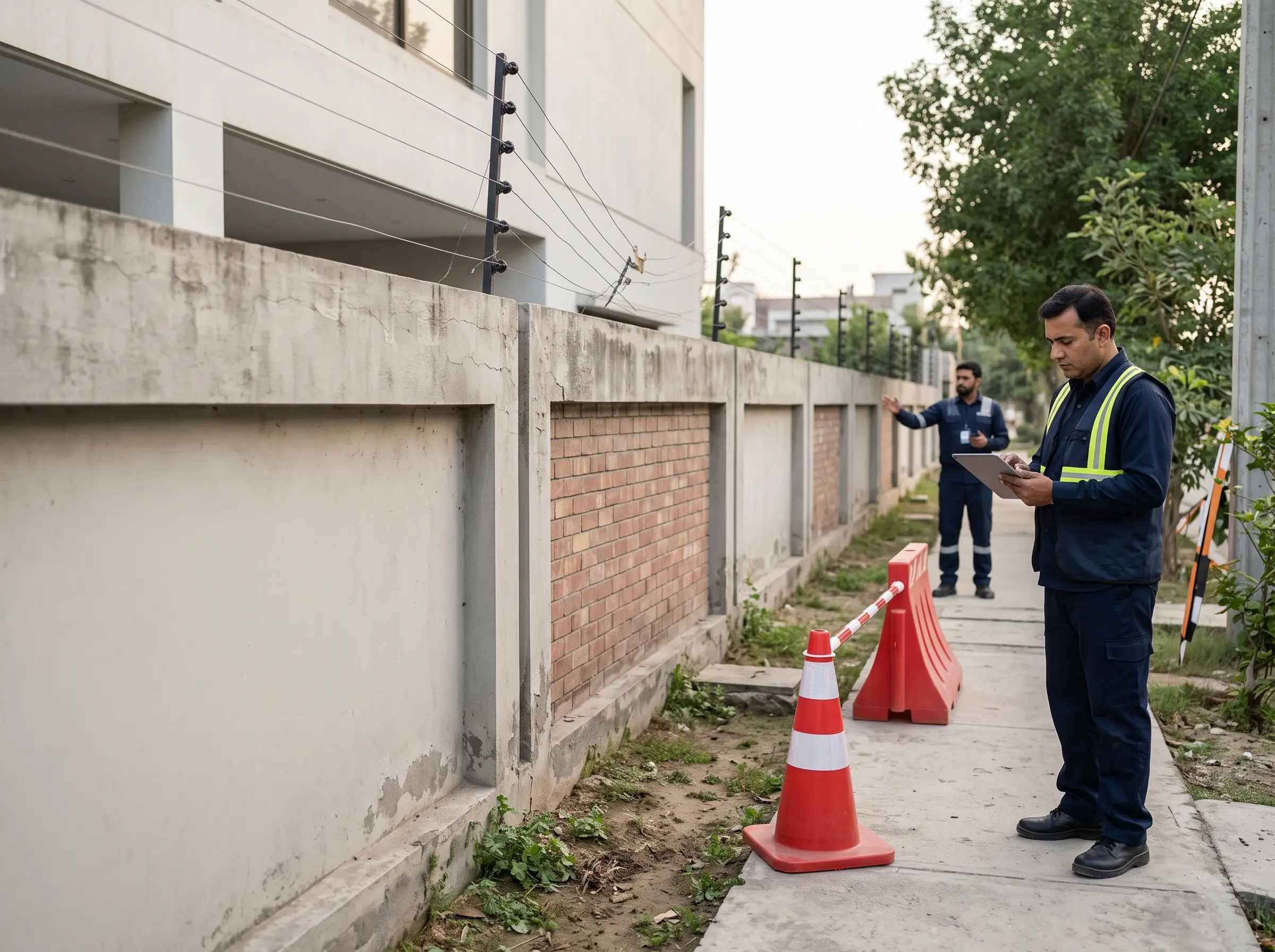
How Often Should an Electric Fence Be Inspected?
| Inspection Trigger | What to Consider | Appropriate Action |
|---|---|---|
| Routine scheduled review | Visible fence condition, access points, warning signs | Record observations and arrange required servicing |
| After severe weather | Fallen debris, damaged supports, displaced components | Keep clear of suspected damage and request inspection |
| Following nearby construction | Possible accidental contact or structural changes | Arrange assessment if the system may have been affected |
| Increased vegetation growth | Obstructions and changing site conditions | Arrange safe vegetation management |
| Repeated system alerts | Possible operational issue | Contact a qualified technician |
| Before major changes in site use | New access routes, workers, visitors, or equipment | Review suitability and safety arrangements |
The property's maintenance plan should follow the manufacturer's instructions and professional recommendations.
Signs Your Electric Fence May Need Attention
Visible or reported changes can indicate the need for inspection. Each card describes what might be noticed, why it matters, and the appropriate next action.
Damaged or Displaced Conductors
Visible breaks, sagging sections, or displaced fence components. These should be reported rather than handled directly.
Vegetation Near the Fence
Growing vegetation may interfere with some fence arrangements and can make inspection more difficult. Not every type of contact has the same effect.
Damaged Insulators
Visibly cracked, broken, or missing insulators may affect system condition and require assessment.
Unusual System Alerts
Alarms or indicators may signal a problem, depending on the system's capabilities.
Damaged Posts or Mounting Hardware
Structural damage may affect the installed arrangement.
Problems Around Gates
Visible damage, access obstructions, or reported system issues near gates.
Weather-Related Deterioration
Storms, moisture exposure, fallen branches, and other environmental conditions.
Recurring Performance Concerns
Repeated alerts or unresolved issues require a qualified assessment rather than repeated guesswork.
How to Respond When an Electric Fence Appears Faulty
This table helps readers make safe decisions. Symptoms can have multiple causes, and electrical work should be referred to a qualified professional.
| Observed Issue | Possible Explanation | Recommended Response |
|---|---|---|
| Visible broken conductor | Physical damage or deterioration | Keep clear and request professional repair |
| Fence alert or warning indicator | System-specific fault or status change | Review permitted user guidance and contact a technician if unresolved |
| Vegetation obstructing the fence | Seasonal growth or lack of clearance | Arrange safe inspection and vegetation management |
| Damaged insulator or mounting point | Wear, weather, or physical impact | Request component assessment |
| Damage following a storm | Debris or structural impact | Avoid the affected area and arrange inspection |
| Repeated unexplained alerts | Possible underlying equipment or installation issue | Request professional diagnosis |
| Fence appears inactive | Could involve power, controls, or another system issue | Do not assume it is safe to touch; contact the appropriate technician |
When Is Maintenance Enough, and When Is Repair Needed?
These are two different services. Understanding the distinction helps determine which one an existing system needs.
Preventive Maintenance
- Planned visual inspections
- Monitoring visible condition
- Recording deterioration
- Managing site conditions appropriately
- Professional operational checks
- Addressing wear before it becomes a larger issue
Repair
- Restoring damaged conductors
- Replacing failed components
- Resolving equipment faults
- Correcting damaged connections
- Repairing structural or mounting problems
- Diagnosing persistent system failures
How Weather and Site Conditions Affect Electric Fencing
The surrounding environment may influence maintenance requirements.
Rain and Moisture
Weather exposure, visible deterioration, and the need for suitable equipment and professional checks.
Wind and Storm Damage
Fallen branches, displaced conductors, damaged supports, and post-storm inspections.
Vegetation Growth
Changes in nearby plants and trees should be monitored over time.
Dust, Corrosion & Wear
Exposure and aging can affect some components, depending on their materials and installation conditions.
Maintenance Needs Across Different Properties
Maintenance priorities may differ depending on the property type and how the site is used.
Residential
Household access, boundary changes, visitors, and visible damage near entrances.
Farms & Agricultural
Vegetation, terrain, animal activity, and remote boundary sections.
Warehouses
Vehicle movement, gates, loading areas, and staff access.
Commercial
Customers, visitors, parking, and regular site-use changes.
Industrial
Larger boundaries, operational changes, equipment movement, and coordination with maintenance teams.
Why Maintenance Records Matter
Basic records help property owners track recurring problems, document inspections, and communicate effectively with technicians. When reporting a fault, note the affected boundary area, the date it was first observed, any visible changes, and any system alert reported through authorized controls.
| Date | Area Inspected | Observation | Action Required | Status |
|---|---|---|---|---|
| Example date | Main entrance | Warning sign appears damaged | Arrange replacement assessment | Pending |
| Example date | Rear boundary | Vegetation close to fence | Arrange safe clearance review | Pending |
| Example date | Gate area | No visible changes observed | Continue scheduled checks | Recorded |
Mistakes That Can Lead to Overlooked Problems
These issues can lead to overlooked deterioration. Each is worth reviewing as part of the maintenance plan.
Ignoring small visible signs of deterioration. Minor damage can develop over time if left unaddressed.
Waiting for a major fault before scheduling inspections. Planned inspections help identify issues early.
Assuming a fence is safe to touch because it appears inactive. A fence that appears inactive may still be energized, or faults may exist.
Overlooking vegetation and surrounding conditions. Vegetation and site changes affect maintenance needs.
Neglecting gates and frequently used access points. These areas experience regular use and may require more frequent attention.
Attempting electrical repairs without appropriate qualifications. Electrical work should be handled by a qualified professional.
Failing to document recurring alerts. Patterns in alerts can help identify underlying issues.
Ignoring manufacturer guidance or applicable safety requirements. Instructions and requirements exist for a reason.
When Should You Arrange Professional Electric Fence Maintenance?
- Conductors or electrical components appear damaged.
- System alerts persist or recur.
- There are suspected energizer or grounding problems.
- The fence has been affected by severe weather or physical impact.
- Technical inspection or electrical testing is required.
- A component may need adjustment or replacement.
- The property's boundary or access arrangements have changed.
- The system's condition or safe operation is uncertain.
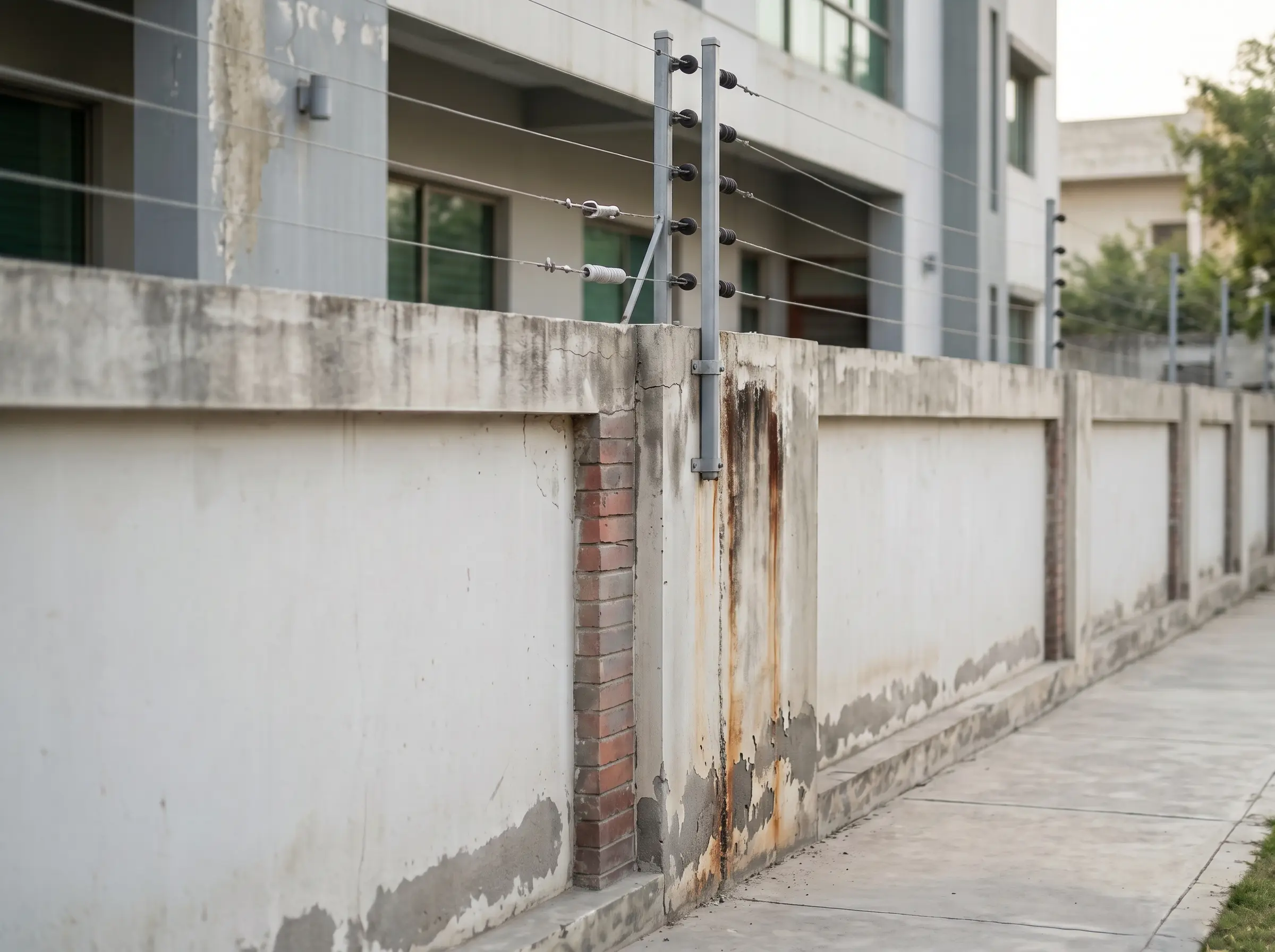
Electric Fence Maintenance FAQs
Routine visual checks, monitoring of site conditions, appropriate professional system inspections, and timely attention to identified faults. The exact scope depends on the system and property.
Frequency depends on the system, environment, manufacturer instructions, and professional recommendations. A maintenance plan should respond to specific inspection triggers rather than a fixed universal interval.
Vegetation may interfere with some fence arrangements and should be assessed as part of maintenance. Safe vegetation management should be arranged without touching energized conductors.
Look for visible damage, displaced components, and system-specific alerts. Some faults may not be visually apparent and require professional testing.
Touching a fence is never an appropriate test. Technical testing should follow manufacturer guidance and applicable requirements, with qualified assistance where needed.
Keep clear of suspected faults, review only permitted user-facing information, and contact a qualified technician. Do not assume a fence is safe to touch because it appears inactive.
Preventive maintenance involves planned inspections, monitoring, and addressing wear before it becomes a larger issue. Repair involves correcting an existing fault, such as damaged conductors, failed components, or equipment problems.
Significant weather events may warrant inspection, especially if visible damage or unusual alerts occur. Fallen branches, displaced conductors, and damaged supports should be assessed.
Appropriate maintenance can help identify deterioration and support reliable operation. It does not guarantee a particular component lifespan or eliminate the possibility of faults.
Contact a professional for damaged components, recurring alerts, uncertain operation, and any technical work. Electrical testing, adjustment, and component replacement should be handled by qualified personnel.
Keep Your Electric Fence Properly Inspected and Maintained
Appropriate inspections, early fault recognition, and professional support when necessary help an electric fence continue to operate as intended. A site-specific maintenance plan should reflect the property, the system, and the surrounding environment.