
Electric Fence Buying Guide: How to Choose the Right System
Buying an electric fencing system involves more than choosing an energizer or comparing equipment prices. Property boundaries, security objectives, system compatibility, installation requirements, maintenance, and safety all influence the final decision. This guide explains the key factors to evaluate before purchasing electric fencing equipment or selecting a complete system.
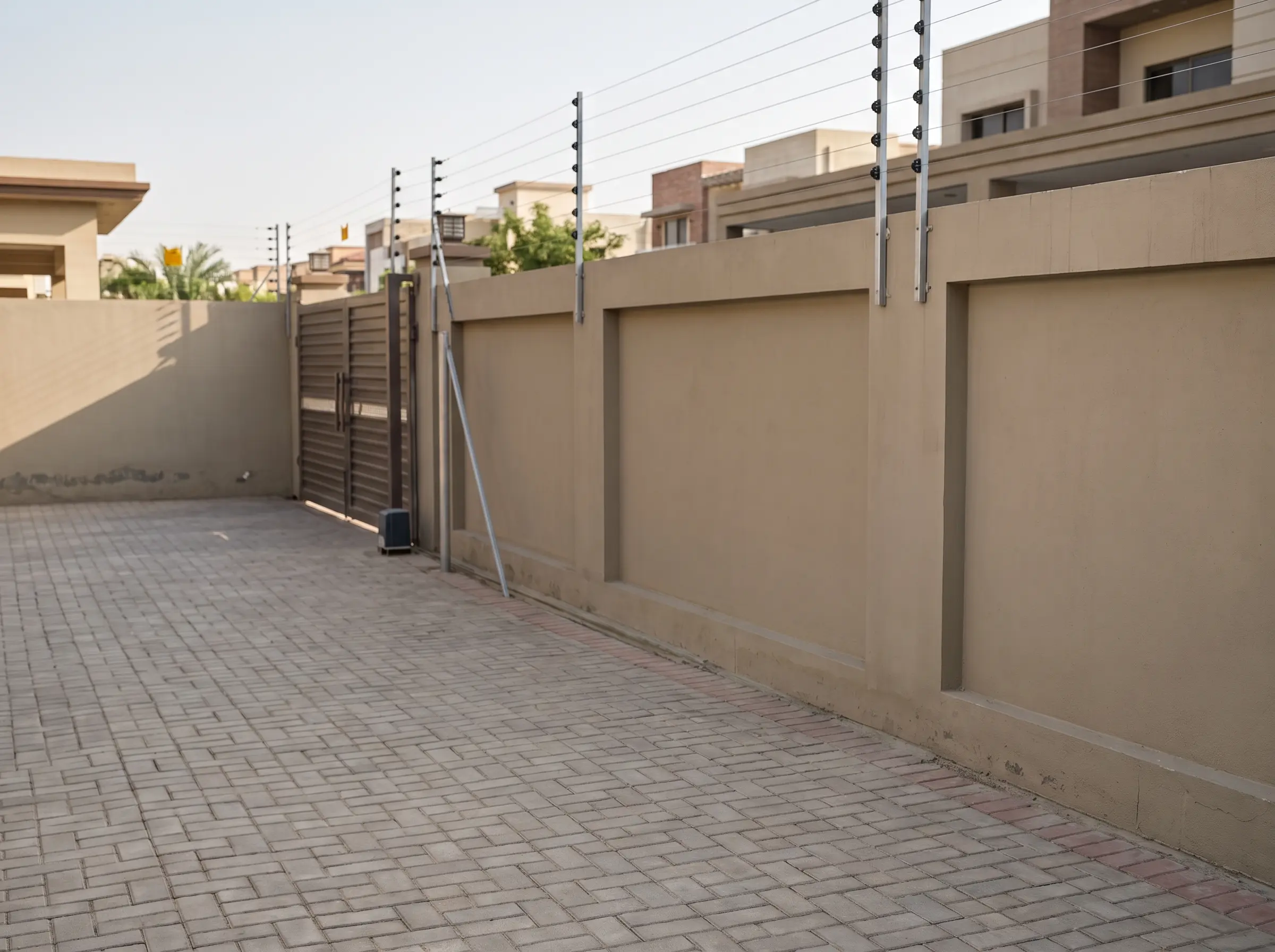
What to Consider Before Buying an Electric Fence
An electric fencing system should be selected according to the property, the intended application, the existing boundary, and the level of security required. Buying components separately without understanding compatibility can create unnecessary costs or unsuitable system configurations.
Property Type
Is the system intended for a home, commercial building, warehouse, industrial facility, or agricultural property?
Perimeter Requirements
What is the approximate boundary length, layout, and condition of the existing fence or wall?
Security Objective
Is the purpose perimeter deterrence, controlled boundary management, agricultural containment, or another suitable application?
System Components
Which equipment is necessary for the intended configuration, and which components must work together?
Installation & Safety
What professional installation, safety measures, access arrangements, and applicable requirements need consideration?
Total Ownership Cost
What expenses may arise from equipment, installation, ongoing inspection, repairs, and replacement components?
Essential Components of an Electric Fencing System
Electric fencing systems consist of interconnected components, and individual equipment choices depend on the intended system design. Some components are essential to a given configuration, while others are optional depending on the application and monitoring requirements.
Fence Energizer
Provides controlled electrical pulses; selection must match the intended application and compatible system design.
Conductors
Carry the electrical pulses along the designed fence circuit.
Insulators
Help isolate energized conductors from supporting structures.
Posts & Supports
Maintain the physical layout and positioning of the conductors.
Earthing / Grounding
Form part of the system's designed electrical return arrangement.
Warning Signs
Communicate the presence of an electrified fence where required.
Gate & Access
Support safe and practical entry points.
Monitoring / Alarm
May provide fault or activity indications where supported by the selected system.
Power Supply
Support the equipment's specified power requirements.
Connectors & Accessories
Support compatible connections and system maintenance.
How to Choose an Electric Fence System for Your Property
A step-by-step framework for evaluating requirements and comparing options before purchase.
Define the Intended Application
Residential security, commercial perimeter protection, industrial boundaries, and agricultural fencing may involve different requirements.
Review the Existing Boundary
Consider whether the property has an existing wall, fence, gate, or open perimeter. Structural condition and layout can affect feasibility.
Determine the System Configuration
Conductor layout, equipment placement, access points, and monitoring requirements should be evaluated as part of a complete design.
Check Component Compatibility
Components should be selected for compatibility with the energizer and overall system. Products from different manufacturers are not automatically interchangeable.
Evaluate Safety & Installation
Qualified professional assessment and installation are recommended where appropriate. Applicable legal, technical, and safety requirements should be verified for the property location and intended use.
Compare the Full Cost
Consider equipment, installation, maintenance, repair accessibility, and possible future expansion.
Review Supplier Support
Ask about product documentation, compatibility, warranty terms, service availability, and replacement parts.
Should You Buy a Complete Electric Fence System or Separate Components?
Both approaches can be suitable. The right choice depends on your property, your technical requirements, and whether a professional system design already exists.
| Consideration | Complete System Package | Individual Components |
|---|---|---|
| Purchasing Process | Equipment may be grouped into a defined package. | Products are selected separately. |
| Compatibility | Must still be verified for the intended installation. | Requires careful component matching. |
| Customization | Depends on package flexibility. | May allow more specific component selection. |
| Installation Planning | Still requires property-specific assessment. | Requires a coordinated system design. |
| Cost Evaluation | Compare package contents and exclusions. | Consider all required parts and accessories. |
| Replacement or Expansion | Depends on system specifications. | Depends on compatibility and availability. |
| Buyer Suitability | Buyers seeking a coordinated purchasing option. | Buyers working from an established technical specification. |
Electric Fence Buying Considerations by Property Type
Each property type involves different requirements. The same configuration is not equally suitable for every application.
Residential Properties
Consider boundary appearance, access points, existing walls, nearby public areas, safety, and ongoing maintenance.
Learn About Electric Fencing for HomesWarehouses
Consider loading entrances, delivery vehicle access, storage areas, and boundary monitoring needs.
Explore Warehouse Electric FencingCommercial Properties
Consider customer and staff access, operational hours, shared boundaries, and security integration.
Explore Commercial Electric FencingIndustrial Properties
Consider larger or more complex boundaries, operational access points, and maintenance planning.
Explore Industrial Electric FencingAgricultural Properties
Consider the intended agricultural application, animals where relevant, environmental conditions, and property layout.
Explore Electric Fencing for FarmsNot Sure Which Applies?
Properties can combine uses. A professional assessment helps determine which configuration is appropriate for a specific site.
Discuss Your RequirementsElectric Fence Features Worth Comparing Before Purchase
Product specifications should always be verified using manufacturer documentation rather than assumptions. The questions below help structure comparisons between products.
| Feature | Questions Buyers Should Ask |
|---|---|
| Intended Application | Is the product designed for this type of fencing application? |
| Energizer Specifications | Are its documented ratings appropriate for the proposed system? |
| Power Requirements | What supply arrangement does the equipment require? |
| System Compatibility | Which conductors, accessories, and monitoring products are supported? |
| Monitoring Functions | What faults or events can the system indicate? |
| Expansion Support | Can the configuration be expanded within manufacturer limits? |
| Outdoor Suitability | Is the equipment suitable for its proposed installation environment? |
| Documentation | Are installation, operation, and safety instructions available? |
| Maintenance Access | Can the equipment be inspected and serviced appropriately? |
| Warranty & Support | What are the documented coverage terms and service conditions? |
How Much Should You Budget for an Electric Fence?
Pricing depends on the proposed system and installation requirements. The factors below influence the total project cost.
Perimeter Length & Layout
Boundary size, corners, and overall shape affect material quantities and installation time.
Existing Boundary Condition
An existing wall or fence may reduce or increase installation work depending on its condition and suitability.
Equipment Selection
Energizer, conductors, insulators, mounting, and optional monitoring components each affect the total.
Gate & Access Requirements
Gates, control points, and access requirements influence equipment and installation scope.
Installation Complexity
Terrain, vegetation, and site access all influence labor and time requirements.
Maintenance & Replacement
Ongoing inspection, repairs, and component replacement should be included in total ownership cost.
What to Ask a Supplier Before You Buy
Use this information to evaluate quotations and compare suppliers on the same basis.
What to Request in a Supplier Quotation
- Equipment specifications and model references
- Itemised list of included components
- Installation scope — what is included and excluded
- Safety provisions and warning signage
- Warranty terms and conditions
- Maintenance and after-sales support options
- Availability of replacement parts
- Product documentation (installation, operation, safety)
Requesting this information in writing makes it easier to compare suppliers fairly. A quotation that omits installation scope, safety provisions, or support terms may not reflect the true cost of ownership.
10 Questions to Ask an Electric Fence Supplier
Is this system suitable for my property's intended application?
Which components are included in the quotation?
Are the selected components compatible?
What additional equipment or accessories may be required?
What installation work is included or excluded?
What safety provisions and documentation are provided?
What are the manufacturer warranty terms?
Are replacement parts and compatible accessories available?
What maintenance will the system require?
What support is available after installation?
Common Mistakes to Avoid When Buying an Electric Fence
These common purchasing pitfalls can lead to unnecessary cost, unsuitable configurations, or safety concerns.
Choosing Equipment Based Only on Price
Total project requirements matter. A lower equipment price may not reflect a lower overall cost once installation, accessories, and ongoing needs are included.
Ignoring Component Compatibility
Components from different manufacturers are not automatically interchangeable. Compatibility must be verified before purchase.
Overlooking Property Layout
Gates, corners, existing boundaries, and access points all affect feasibility and the equipment required.
Assuming Every System Has the Same Features
Monitoring, power options, and accessory support differ by equipment. Features should be confirmed from documentation.
Forgetting Installation & Maintenance
Purchasing equipment is only one part of system ownership. Installation and ongoing upkeep should be planned.
Ignoring Safety Requirements
Proper system design, warning provisions, and applicable local requirements should be considered for the specific property and location.
Your Electric Fence Buying Checklist
Use this checklist to confirm key points before making a purchase. Checking off an item does not certify a system as safe or compliant — it is a decision-support aid.
Property & Purpose
Equipment & Compatibility
Cost & Installation
Supplier & Support
When Should You Consult an Electric Fencing Professional?
Professional assessment is particularly useful when the property has a complicated perimeter, existing fencing or walls require evaluation, or when system compatibility, monitoring, and location-specific safety requirements need to be confirmed.
- Complicated property perimeters
- Monitoring or integration features
- Existing fencing or walls requiring evaluation
- Unclear safety or location-specific requirements
- Multiple gates or access points
- Comparing different installation proposals
- Component compatibility verification
- Planning for long-term system ownership
Electric Fence Buying Guide FAQs
Confirm the intended application, review the existing boundary, understand which components are needed, verify compatibility between equipment, and clarify what is included in any quotation. Safety and applicable requirements should be reviewed for the specific property and location.
A typical system includes an energizer, conductors, insulators, fence posts or supports, and grounding components. Warning signs, gate components, monitoring, and power supply options depend on the intended configuration. Specific equipment requirements should be confirmed against manufacturer documentation and the site's design.
Either approach can be suitable. A complete package may simplify procurement when its components and configuration match the property. Individual components may suit buyers working from an established technical specification. In both cases, compatibility and suitability should be verified.
Energizer selection should be based on the intended application, boundary characteristics, and the requirements of the proposed system. Manufacturer documentation should be reviewed for the specific product. Where the correct specification is unclear, a qualified professional can help determine the appropriate selection.
This depends on the structure, the proposed system, mounting requirements, and applicable safety rules. Not every existing wall or fence is automatically suitable, and mounting on any structure is not automatically safe or permitted. A site assessment helps determine feasibility.
Perimeter length and layout, existing boundary condition, equipment selection, gate and access requirements, installation complexity, and ongoing maintenance or replacement needs all influence the total project cost. A site-specific assessment is required for an accurate estimate.
Review the manufacturer documentation for each component and confirm that the energizer supports the conductors, accessories, and monitoring products you intend to use. Products from different manufacturers are not automatically interchangeable. Where compatibility is unclear, ask the supplier or a qualified professional.
Need Help Choosing the Right Electric Fence System?
The right equipment depends on your property's layout, intended application, installation requirements, and ongoing maintenance needs. Core Shield can be contacted to discuss your requirements and determine the appropriate next steps.
[Insert Approved Consultation URL] · [Insert Verified Contact Details]