
Electric Fence Installation: Process, Planning and Key Steps
Electric fence installation involves more than attaching wires to posts. The process generally includes assessing the property, planning the boundary, selecting suitable equipment, considering access and safety, completing professional installation, and checking system operation. The exact process varies according to the site, existing boundary, selected system, and applicable requirements.
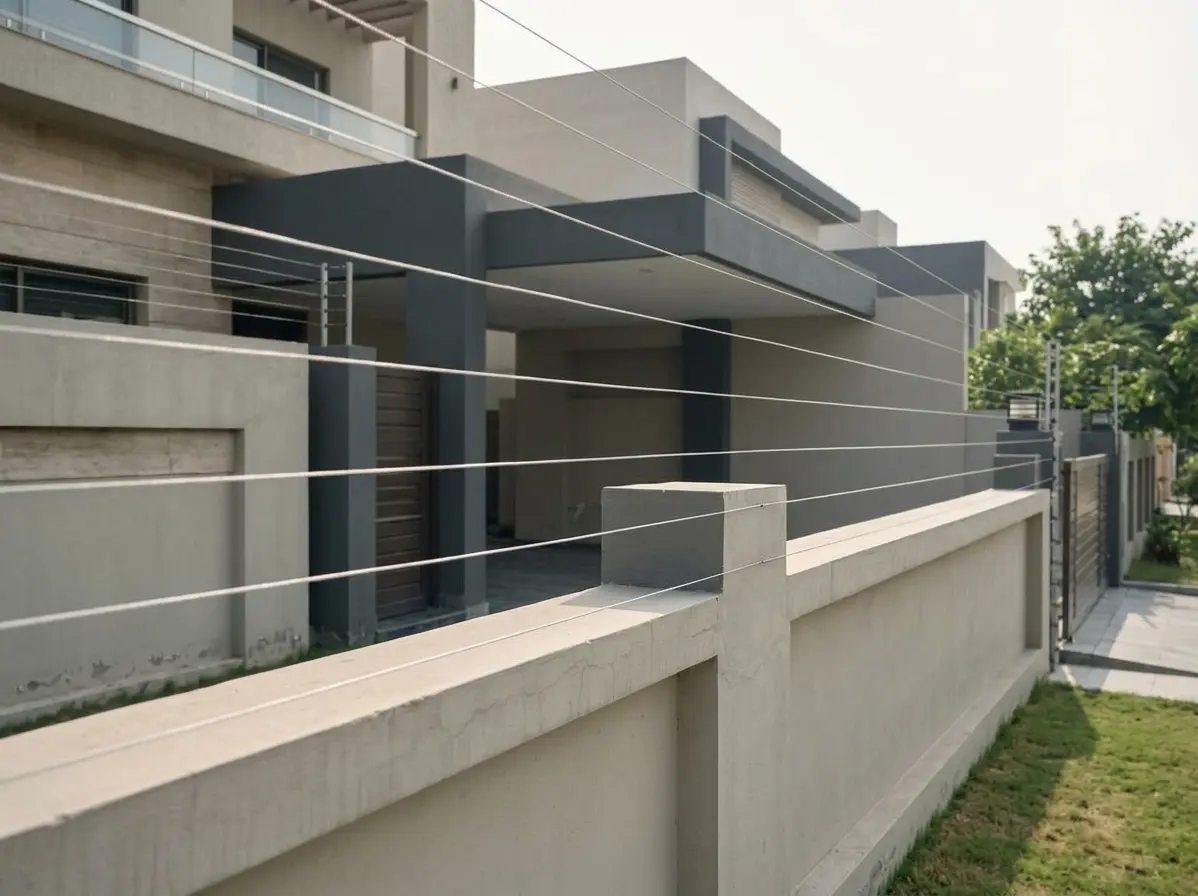
Installation at a Glance
A general overview of the installation stages. The exact sequence and scope vary by property and system.
Site Assessment
Review the property, boundary, and existing conditions.
Installation Planning
Determine the proposed layout and access arrangements.
Equipment Selection
Identify suitable components for the intended application.
Boundary Preparation
Assess posts, walls, vegetation, and installation obstacles.
Professional Installation
Install the planned system according to its design and requirements.
Inspection & Handover
Check the completed installation and explain operation and maintenance.
Planning an Electric Fence Installation
Assessment and planning are important before equipment is installed. A professional site assessment helps determine the appropriate approach for the property and the selected system.
- Property size, shape, and boundary layout
- Existing walls, fences, posts, and other structures
- Gate locations and vehicle or pedestrian access
- Slopes, uneven ground, and other site obstacles
- Nearby vegetation and potential obstructions
- Intended security objectives
- Existing security equipment that may affect the proposed layout
- Access by children, visitors, workers, residents, or animals
- Applicable safety and regulatory requirements
Every property requires a site-specific approach. Equipment and installation arrangements should be determined based on the individual site rather than assuming a standard configuration.

How Is an Electric Fence Installed?
A structured explanation of what each stage of the process involves and why it matters.
Inspect the Property and Existing Boundary
The installer assesses the proposed fence route, existing structures, entry points, environmental conditions, and any obstacles that may affect the design. An existing wall or fence may influence the installation approach depending on its condition and suitability.
Plan the Fence Layout
The proposed layout accounts for the property boundary, corners, gates, access routes, and relevant safety considerations. The layout should be appropriate for the site and the selected system rather than copied from a generic design.
Determine the Appropriate Equipment
The equipment list is determined by the site and system design. Typical components are described in the section below. Requirements differ by system.
Prepare the Installation Area
Preparation may include checking existing structures, identifying obstructions, addressing vegetation concerns, and confirming suitable mounting locations. Any necessary property modifications depend on site conditions and should be agreed upon before work begins.
Install the Supporting Structure and Conductors
Suitable mounting arrangements, insulators, conductors, and connections are installed according to the selected system and its requirements. Correct placement and workmanship help the system operate as intended. Detailed electrical work should follow the system’s documented design and be handled by a qualified professional where required.
Install the Energizer and Related Components
The energizer and related components are installed with suitable grounding, connections, and environmental protection as required by the equipment manufacturer and applicable rules. Electrical work should be handled by a qualified professional where required.
Address Gates, Access Points, and Warning Signs
Gates and entry points require careful planning because they affect access, continuity of the installation, and safety. Suitable warning signs and access arrangements for people who may approach or enter the property are part of the perimeter plan. Signs support the wider safety arrangement but do not replace it.
Inspect and Check System Operation
The completed installation should be inspected and checked according to the manufacturer’s instructions, system design, and applicable requirements. Checks may include visible components, connections, grounding arrangements, warning signs, and appropriate system operation. Technical checks should be carried out by a qualified professional.
Handover and Maintenance Guidance
A responsible handover covers the system’s basic operation, relevant safety precautions, appropriate inspection intervals, maintenance responsibilities, and how to report a fault. Installation duration, warranty terms, and post-installation services vary and should be confirmed for the specific project.
Essential Electric Fence Components
General categories of components used during installation. The exact equipment depends on the system design.
Energizer
Supplies electrical pulses to the fence system.
Conductors
Carry the electrical pulses along the intended fence route.
Insulators
Help isolate conductors from supporting structures where required.
Posts & Mounting Hardware
Support the planned arrangement.
Grounding Components
Form part of the electrical circuit according to the system design.
Gate Components
Accommodate entry points and the intended electrical arrangement.
Warning Signs
Communicate the presence of an electric fence.
Monitoring Components
May help indicate system status or faults when supported by the system.
Installing Electric Fencing on Existing Boundaries
An existing boundary can influence the installation approach. Suitability depends on the structure and site conditions.
Existing Boundary Wall
The wall’s condition, suitability for mounting, and relevant safety requirements are assessed. Not every wall is automatically suitable for every configuration.
Existing Metal or Other Fence
The existing structure is evaluated before determining whether and how it can be incorporated into the proposed arrangement.
New or Incomplete Boundary
Additional planning or supporting structures may be needed depending on the property’s layout and intended design.
Does the Installation Process Differ by Property Type?
The overall planning principles are similar, but individual requirements can vary. These cards highlight the factors most relevant to each property type.
Residential
Boundary layout, entrances, household access, and people who may approach the fence.
Farms & Agricultural
Land boundaries, terrain, vegetation, and relevant animal or worker access.
Warehouses & Commercial
Vehicle movement, loading areas, staff entrances, and operating hours.
Industrial
Larger or more complex boundaries, operational access, and coordination with existing site security.
Important Safety Considerations
Installation should follow the selected system’s instructions and applicable requirements. Several safety considerations should be part of the installation plan.
- Follow the selected system’s instructions and applicable requirements.
- Consider appropriate warning signs and access controls.
- Consider children, visitors, workers, and other people who may approach the fence.
- Plan gates and entry points for safety as part of the perimeter.
- Use qualified personnel for installation and technical checks where required.
- Refer damaged components or suspected electrical faults to an appropriate professional.
- Never touch an energized fence to test whether it is operating.
Common Problems That Can Affect Installation Quality
These issues can affect the outcome of an installation. A professional site assessment and installation help address them.
Skipping a Proper Site Assessment
Without an assessment, the layout and equipment may not suit the property. This can affect performance and increase future maintenance needs.
Choosing Equipment Without Considering the Site
Equipment should be selected for the property and system design, not simply copied from another site.
Overlooking Gates & Access Points
Gates and access points affect both the security arrangement and day-to-day usability. They should be considered during the layout plan.
Ignoring Vegetation & Physical Obstructions
Vegetation and obstructions can affect the system over time. They should be reviewed during planning.
Neglecting Existing Structures
The condition of existing walls or fences affects suitability. Without review, the planned approach may not suit the site.
Delaying Installation Checks
Testing and inspection after installation help identify issues early. Postponing them can create larger problems later.
What Affects the Installation Timeline?
Installation duration varies according to several factors. A realistic estimate requires a site assessment. Core Shield does not publish a standard number of hours or days for installation.
Factors That Influence Electric Fence Installation Cost
Installation cost depends on the property and the system design. Several factors typically influence the estimate.
Preparing Your Property for Installation
A practical checklist of things to think about before an assessment or scheduled installation. The installer should confirm any technical preparation requirements.
- Identify the property boundary and intended coverage area.
- Point out gates, entrances, and frequently used access routes.
- Share concerns about children, visitors, staff, animals, or public access where relevant.
- Identify known problems with existing walls, fences, or mounting structures.
- Mention existing CCTV, lighting, alarms, or access-control equipment.
- Ask which areas may need to remain accessible during work.
- Confirm the proposed scope, access arrangements, and any preparation expected from the property owner.
- Note any changes to the property since the last inspection.
Do not disconnect, move, or modify electrical equipment yourself. Technical preparation and any property modifications should be confirmed by the installer.
Looking for an Installation Service?
This guide explains what installation generally involves. The installation service page explains the professional service, project assessment, scope, and enquiry process.
This Guide
Explains the general installation process, key stages, and considerations. Useful for understanding what to expect and preparing questions for a professional installer.
Professional Installation Service
Explains the professional service, project assessment, scope of work, and how to request an installation enquiry.
Explore Professional Electric Fence InstallationElectric Fence Installation FAQs
Understand the Right Installation Approach for Your Property
The appropriate installation approach depends on the property’s layout, existing boundaries, access requirements, and intended use. A professional assessment helps determine the appropriate approach.